Following up on marine quotes without being a pest
A quote with no reply is not always a lost order. A short, useful follow-up wins more of them, and a good question after a loss improves the next quote.
Purchasers in ship management are juggling dozens of vessels. An open quote might be waiting on a budget approval, a changed ETA, or simply sitting under fifty newer emails. Suppliers who follow up well get more orders from the same RFQs. Suppliers who follow up badly get filtered to a folder nobody reads. The difference is mostly timing and usefulness.
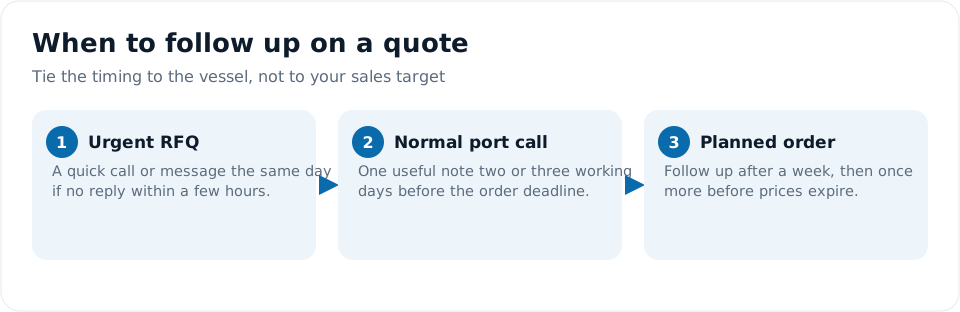
When to follow up
Urgent or short-notice RFQs: a quick check the same day, ideally by phone or message, if you have not heard back within a few hours.
Normal port calls: a single follow-up two or three working days before the latest sensible order date for the vessel’s ETA.
Large or planned orders such as dry dock or a full provisions load: one follow-up after a week, then a final note before your prices expire.
Tie the timing to the vessel, not to your sales target. Purchasers respond to suppliers who clearly understand their schedule.
What to say
A follow-up should add something, not just ask “any news?”. Useful additions include a confirmed price that was pending, an alternative for an item you could not supply, an updated delivery option if the ETA moved, or a reminder of when prices expire. For example:
“Hello Maria, on our quote for MV Example (your RFQ 4471, arriving Rotterdam on the 14th): the two lines we had pending are now confirmed at the quoted price, and we can deliver by launch at anchorage if she waits outside. Prices are held until Friday. Happy to adjust anything.”
Short, specific, and it gives the purchaser a reason to act now.
After a loss
If the order went elsewhere, send one polite note. Thank them, and ask a single question: was it price, timing, or something about the quote? Many buyers will answer in a line. Log the answers. After a few months, they tell you more about your pricing and turnaround than any market report.
You do not need an elaborate system. A shared list of open quotes with vessel, ETA, value and next follow-up date is enough to stop things slipping. If you want something built for chandlers, see ship chandler CRM options. Either way, the follow-up only works if the quote went out quickly in the first place, which is where Tidal helps.
For urgent requests, within a few hours the same day. For normal port calls, once a few working days before the latest sensible order date for the vessel’s ETA. For large planned orders, after about a week and again before prices expire.
What should a quote follow-up email include?
The vessel name, the buyer’s RFQ reference and something new or useful, such as confirmed pending prices, an alternative item, an updated delivery option or the date your prices expire.
Should I ask why I lost a quote?
Yes, once and politely. Asking whether it was price, timing or the quote itself often gets a short answer, and those answers are the best guide to improving future quotes.
More RFQs only help if you can quote them fast
Send us a real RFQ and we will show you Tidal turning it into a priced quote on your own catalogue.
 Customer Login